


Ready to level up your reading instruction? We're thrilled to launch a special 5-part series on the Science of Reading with literacy expert Anna Geiger, M.Ed., from The Measured Mom and author of Reach All Readers.
This week, you're getting Part One: A Journey into the Science of Reading, designed to equip you with the knowledge and tools to empower your young learners on their journey to becoming confident, skilled readers. This is the first step in a powerful series you can follow right here in our Newsletter, blog, and YouTube channel.
Enjoy!
-Kayla

What exactly is the Science of Reading?
Despite what you may have heard, the science of reading is not a fad or a pendulum swing. It’s simply a body of research about how we learn to read and how best to teach it. While the phrase is tossed around in different contexts, the important thing to remember is that it's a growing body of research.
More Than Just Phonics
One common misconception is that the Science of Reading is solely about phonics. While phonics is undeniably a critical component, it's just one piece of the puzzle. Reading comprehension requires a collaboration of various skills.
Word Recognition and Language Comprehension
Think of word recognition (being able to read words in isolation) and language comprehension (understanding the text if it were read to you) as the dynamic duo of reading. They work together to achieve a common goal: reading comprehension. This gives us the Simple View of Reading, a theory that research has supported hundreds of times: Word recognition x language comprehension = reading comprehension.
A Lightbulb Moment
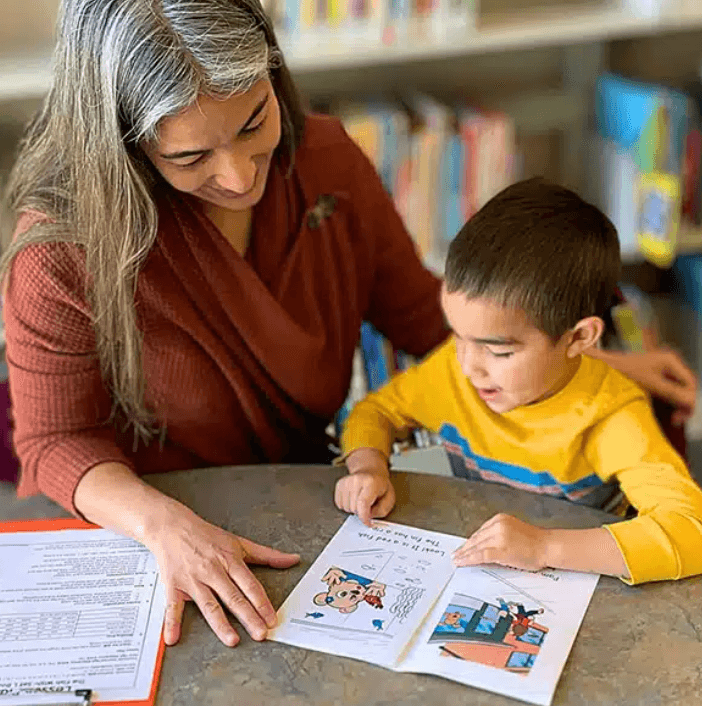
This simple equation was a game-changer for me! It made me realize that some of my early teaching practices weren't truly fostering reading comprehension. For instance, when my students were “reading” pattern books, they could quickly memorize the patterns but couldn’t read many of the words in isolation. I thought they were achieving reading comprehension because they could tell me about the stories - but they weren’t actually reading the words. Without true word recognition, there can’t be reading comprehension.
👉 Get More Info from Anna on how to Reach All Readers!
Scarborough's Reading Rope: A Visual Guide
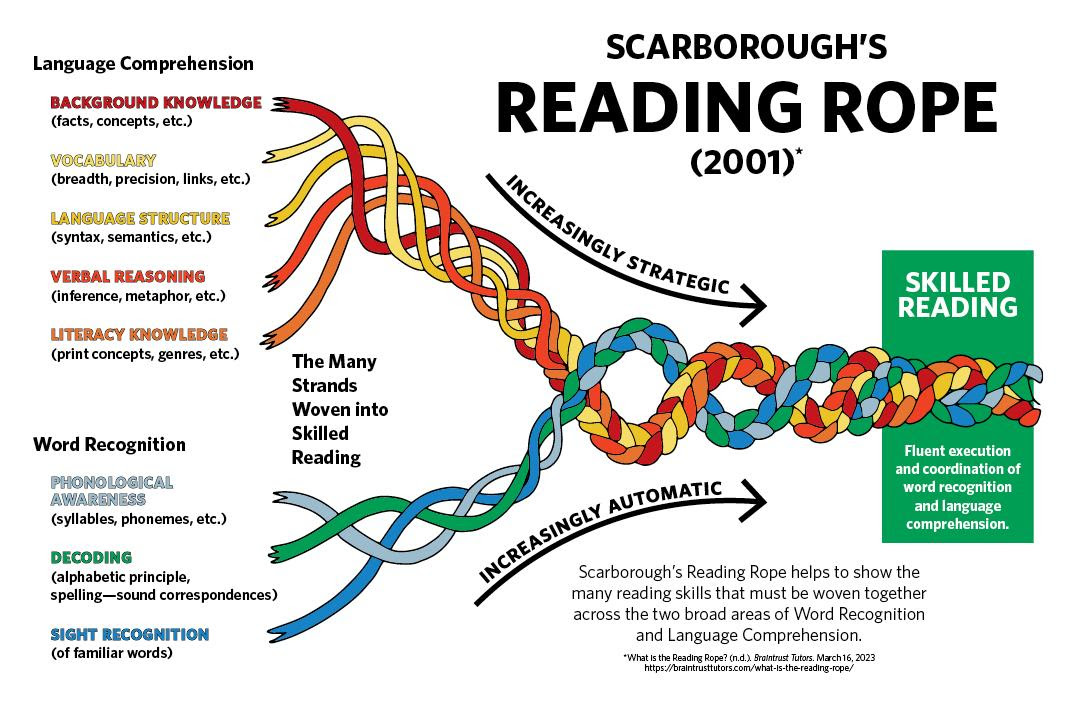
Another valuable tool for understanding the complexity of reading is Scarborough's Reading Rope. This visual model beautifully depicts the interwoven strands of language comprehension and word recognition, highlighting the essential sub-skills within each domain. It's a powerful reminder that reading involves a rich tapestry of skills working together seamlessly.
Want More Incredible PD? Explore Our Next Summit!
Comprehension: A Complex and Wonderful Beast
Now, let's turn our attention to the heart of the matter: comprehension. It's more than just answering questions or identifying the main idea. It's about constructing meaning, making connections, and building a mental model of the text. The RAND Reading Study Group defines comprehension as "the process of simultaneously extracting and constructing meaning through interaction and involvement with written language."
Building Background Knowledge: A Key Ingredient
This brings us to another crucial aspect of comprehension: background knowledge. The more we know about the world, the easier it is to understand and connect with what we read. Imagine trying to read a book about ancient Egypt without any prior knowledge of its history, culture, or mythology.
Get more FREE content from Anna HERE!
Finding Your Starting Point
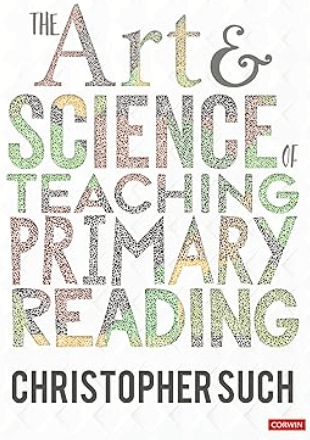
If you're new to the Science of Reading, I highly recommend starting with books that are accessible and relatable. Christopher Such's "The Art and Science of Teaching Primary Reading" is an excellent choice, as it speaks directly to the everyday experiences of teachers.
The Ultimate Goal: Building Mental Models
Ultimately, our goal is to help students build strong mental models of what they read. A mental model is like a mental map that the reader creates while reading. It's the essence of the text, the takeaway message that stays with them long after they've finished reading
Visit Anna's Store for TONS of Grade Specific Content!
Stay Tuned for Part 2 coming next week!
In Anna's next PD Snippet, we'll explore practical strategies for building those mental models and fostering deep comprehension in your students.
Did you loved this PD Snippet from Anna? She'll be delivering even more incredible insights at our upcoming Winter Summit 2026. Don't miss it - click the button below to secure your pass now!
Let Winter Summit 2026 Transform Your Classroom!



Responses